A whole-house renovation is a different animal to a single-room job. Multiple trades overlap, approvals sit in the background the whole time, and the sequence of work determines whether the project runs smoothly or stalls in the middle. This guide walks through how a full renovation actually runs on the Gold Coast, stage by stage, so you know what to expect before the first wall comes down.
A whole-house renovation on the Gold Coast typically runs 4 to 9 months from signed contract to handover, depending on scope, and follows a set sequence: design and approvals, demolition, structural and rough-in work, lock-up, fit-off, and finishing. Whether you can live in the house during the work depends on how much of it is being touched at once.
Why sequencing matters more than any single trade
In a full renovation, the plumber, electrician, carpenter, tiler and painter are all touching the same rooms at different points, and if one is delayed the rest queue up behind them. A good renovation builder's real value is holding that sequence together so nobody arrives before the job in front of them is done, and nothing gets covered up before it is inspected. This is a very different skill to simply being good at one trade.
The stages of a whole-house renovation
- Design, scope and fixed-price quote, including selections for finishes and fittings
- Council or certifier approvals where the scope requires them, which can run in parallel with detailed design
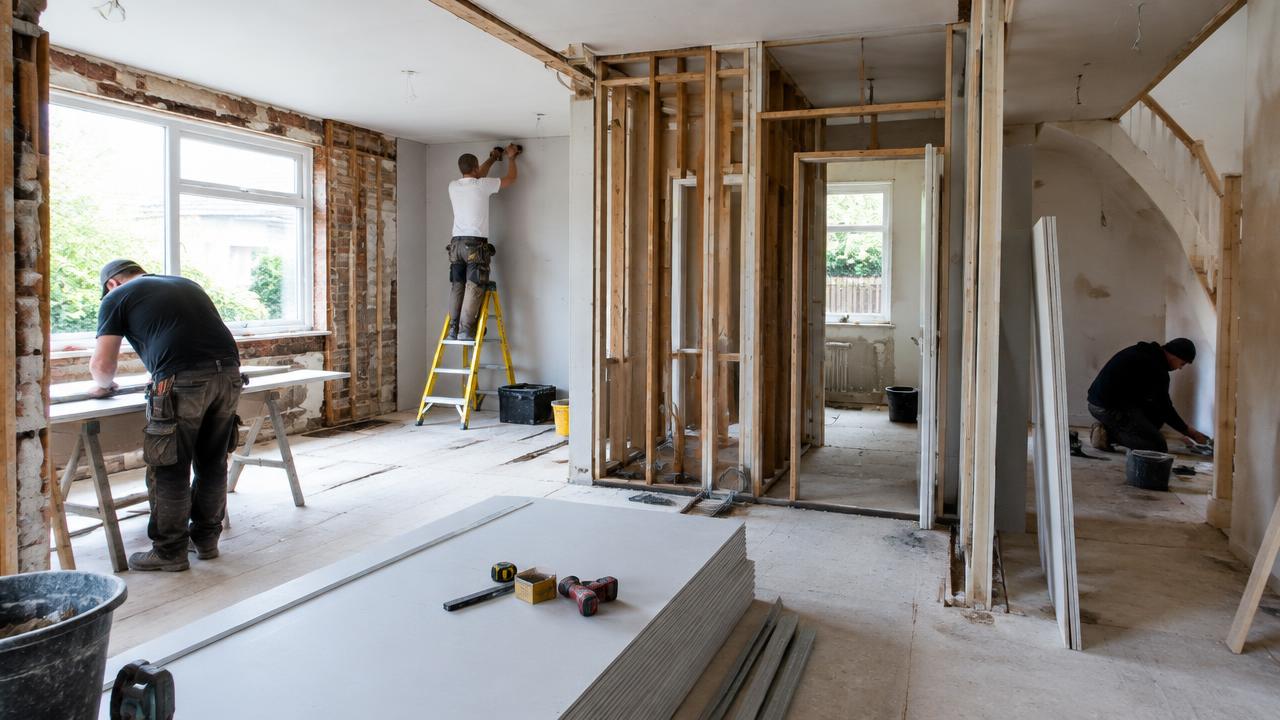
- Site setup, protection and demolition of the areas being renovated
- Structural work, including any Wall Removal, beams, restumping or extensions
- Rough-in plumbing, electrical and any air conditioning ductwork, inspected before walls close up
- Insulation, wall and ceiling lining, and the point where the house reaches lock-up
- Cabinetry, tiling, flooring and internal finishing trades
- Fit-off of plumbing and electrical fixtures, painting and final finishes
- Practical completion inspection, handover and the start of the defects liability period
Approvals run in the background
For anything beyond cosmetic work, expect a building approval and possibly a plumbing approval to be issued before construction starts. On the Gold Coast this can take several weeks depending on the scope, and it is worth having your builder or designer start this process as early as possible so it does not sit as a bottleneck once everything else is ready to go.
Structural work sets the pace for everything after it
If your renovation includes opening a wall between the kitchen and living area, that structural work needs to happen early, with an engineer's design and a temporary support in place before the wall comes down. Our wall removal page explains how that process runs. Rushing or delaying this stage has a flow-on effect through the rest of the trades, since framing, ceiling and services work often depend on the new structure being finished first.
Typical timeframes by scope
| Scope | Typical time on site |
|---|---|
| Kitchen, bathroom and living area, no structural change | 8 to 14 weeks |
| Full internal renovation with a wall removal or minor extension | 4 to 6 months |
| Whole-house renovation with significant structural work or a second storey addition | 7 to 9 months or more |
These figures are time on site once work starts, not including design, selections and approvals beforehand, which often add another 4 to 12 weeks depending on the complexity of the job and current council processing times.
Can you live in the house during the renovation?
This depends heavily on how much of the house is affected at once and whether the kitchen and at least one bathroom remain usable. Many families stay in the house through a staged renovation where one wing is closed off at a time, while a full gut renovation touching the kitchen, all bathrooms and the main living areas usually forces a temporary move out, even if only for the noisiest and dustiest weeks.
Questions to ask before deciding whether to stay or move out
- Will the kitchen be out of action, and for how long
- Will at least one bathroom remain usable at all times
- How will dust and noise be managed if you are staying on site
- Is there a stage where power or water will be disconnected for more than a day
- Can the builder sequence the work in zones so part of the house stays liveable
If you plan to stay in the house, ask your builder to sequence noisy, dusty stages like demolition and structural work first, and to seal off work zones with proper dust barriers rather than a sheet over a doorway.
Managing multiple trades without losing track
A whole-house renovation typically involves seven or more trades: carpenters, electricians, plumbers, tilers, painters, cabinetmakers and often a stonemason and plasterer. If you are managing this yourself rather than through a builder, you are the one responsible for sequencing them, chasing delays and checking each stage is inspected before the next one starts. Most homeowners find this is where a licensed renovation builder earns their fee, well beyond just swinging a hammer. Our guide on multi-trade project management covers this in more detail.
Budget contingency for a full renovation
Older Gold Coast homes in particular often reveal issues once walls and floors open up, such as outdated wiring, termite damage or plumbing that does not meet current standards. It is standard practice to hold a contingency of around 10 to 15 percent of the contract price for these kinds of unknowns, on top of the fixed price for the scope that has been quoted. Our renovation budget guide goes through this in more detail.
Planning a full renovation on the Gold Coast or in Logan? We manage the whole sequence, from approvals through to handover, with one fixed-price contract and one point of contact.
Request a free quote