Composite decking is prized for being low-maintenance, but the Gold Coast's humidity, salt air, UV and storm season still demand a sensible care routine. This guide covers the cleaning schedule, mould prevention, fixings checks and storm season steps that keep composite decks looking and performing their best for years.
Composite decking on the Gold Coast needs regular cleaning to prevent mould and mildew in our humid climate, protection of fixings and edges from salt air corrosion, attention to expansion gaps through seasonal heat swings, and prompt storm debris removal. It's far lower-maintenance than timber, but it isn't zero-maintenance, especially in coastal-exposed suburbs.
Why the Gold Coast climate is tough on decking
Composite decking performs well across Australia, but the Gold Coast presents a specific combination of challenges: high humidity, intense UV, salt-laden air in coastal suburbs like Palm Beach, Burleigh Heads and Paradise Point, and sudden, heavy summer storms. Even quality composite boards benefit from a simple seasonal maintenance routine to stay looking and performing their best.
Cleaning schedule for composite decking
Regular cleaning is the single most effective thing you can do to protect a composite deck in this climate. Organic debris such as leaves, pollen and dust combine with humidity to create the conditions mould and mildew need to take hold, particularly in shaded areas under pergolas or near dense landscaping.
- Sweep weekly to remove leaves, sand and organic debris before it breaks down
- Hose down monthly, or more often near the coast, to clear salt residue
- Deep clean quarterly with warm soapy water and a soft-bristle broom
- Avoid pressure washers on high settings, which can damage the board surface
- Clean up spills (wine, oil, sunscreen) promptly to avoid staining
Managing mould and mildew
Composite decking is more resistant to mould than raw timber, but it isn't immune, especially in shaded, poorly ventilated corners common under fixed pergola roofs. If you notice dark patches forming, a solution of warm water and a composite-safe deck cleaner, applied with a soft brush, usually lifts it without damaging the board's protective capping.
If mould keeps returning in one spot, check whether nearby landscaping, screens or furniture are blocking airflow and sun exposure. Improving ventilation is often more effective long-term than repeated cleaning.
Salt air and fixings
Homes within a few kilometres of the coast, including Mermaid Waters, Broadbeach Waters and parts of Southport, deal with salt-laden air that accelerates corrosion on unprotected metal fixings. While the composite boards themselves resist salt damage well, check screws, brackets and joist hangers periodically for early signs of rust, and ensure your renovation company specified marine-grade or stainless steel fixings during construction.
Annual fixings and structure check
- Inspect visible screws and fixings for rust or corrosion
- Check joist hangers and structural brackets underneath the deck
- Look for any movement in balustrades or stair fixings
- Confirm decking boards remain firmly seated with no lifting
- Check for gaps where water could pool against the frame
UV exposure and colour fade
Quality composite boards are capped to resist UV fading, but the Gold Coast's sun intensity is still significant, particularly on north and west-facing decks in Robina, Ashmore and Carrara. Minor colour fading in the first year is normal and usually stabilises. Rotating outdoor furniture and rugs occasionally prevents uneven fading patterns across the deck surface.
Expansion, contraction and fixings gaps
Composite decking expands and contracts with temperature changes more than people expect, particularly through Gold Coast's swing between humid summer heat and cooler winter mornings. Boards should have been installed with correct expansion gaps at the ends and between boards. Over time, check that these gaps haven't closed up (which can cause buckling) or widened excessively (which can trap debris and create trip hazards).
| Task | Frequency | Why it matters |
|---|---|---|
| Sweep debris | Weekly | Prevents organic buildup that feeds mould |
| Hose down / rinse salt residue | Monthly (coastal), bi-monthly inland | Reduces salt film and grime buildup |
| Deep clean with soapy water | Quarterly | Removes ingrained dirt and early mould |
| Inspect fixings and structure | Annually | Catches corrosion or movement early |
| Check expansion gaps | Annually, before/after summer | Prevents buckling or trip hazards |
After a storm
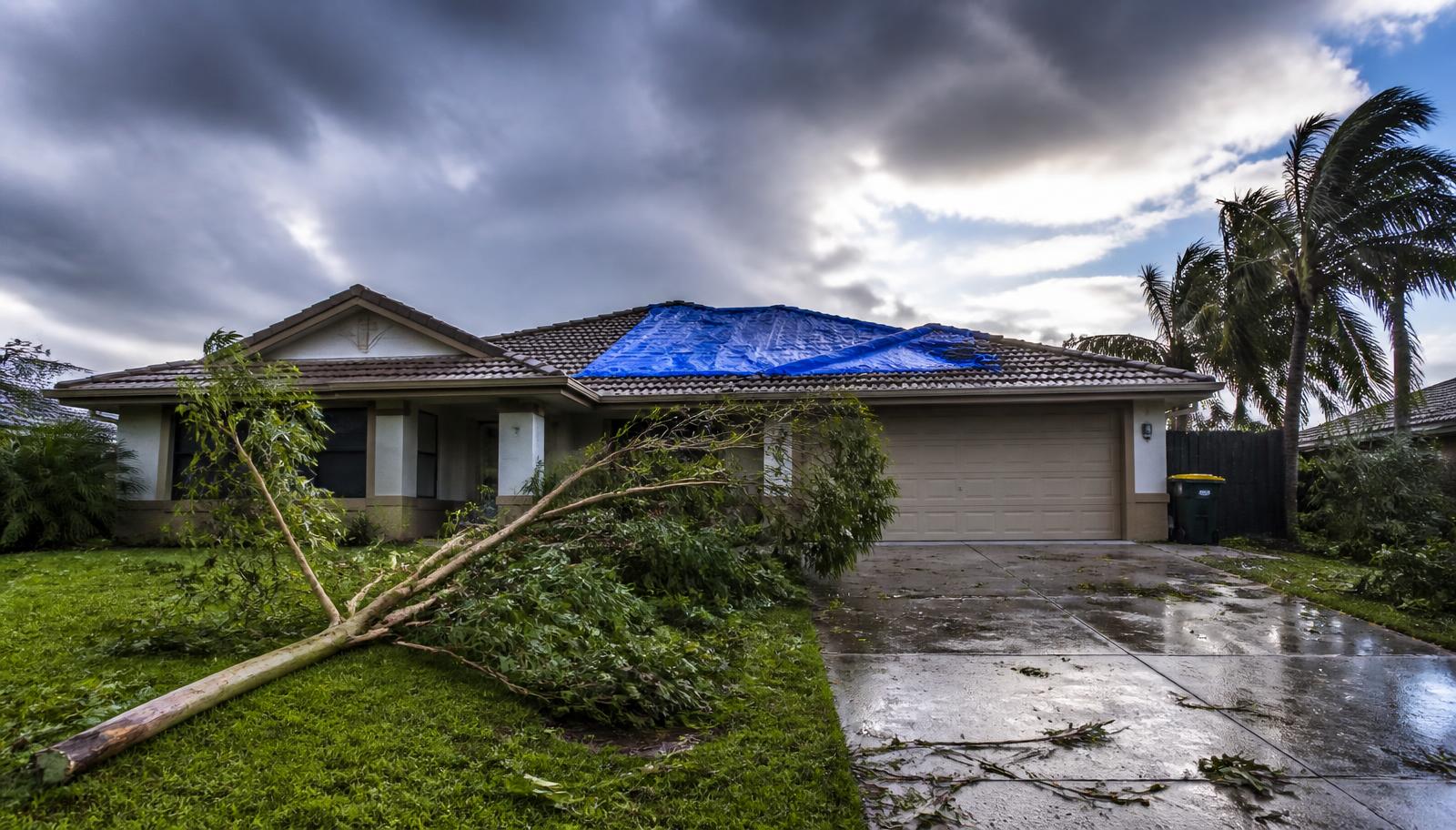
Gold Coast storm season brings heavy rain, wind-blown debris and occasionally hail. After any significant storm, clear leaves and branches promptly, check for standing water pooling on the deck surface (which may indicate a fall or drainage issue), and inspect the structure underneath for any dislodged fixings. If your property has experienced storm damage, it's worth having a licensed renovation company assess the deck alongside the rest of the home.
When to call in a professional
Routine cleaning is a homeowner task, but structural concerns, persistent buckling, or fixing corrosion should be assessed by a QBCC-licensed renovation company. Catching small issues, like a single lifting board or a corroding bracket, early prevents them becoming costly repairs. A trusted renovation company can also advise whether your specific composite product has any manufacturer warranty conditions tied to maintenance.
Not sure whether your deck needs a clean, a repair, or a professional inspection? Get in touch for a free quote and honest advice.
Request a quote