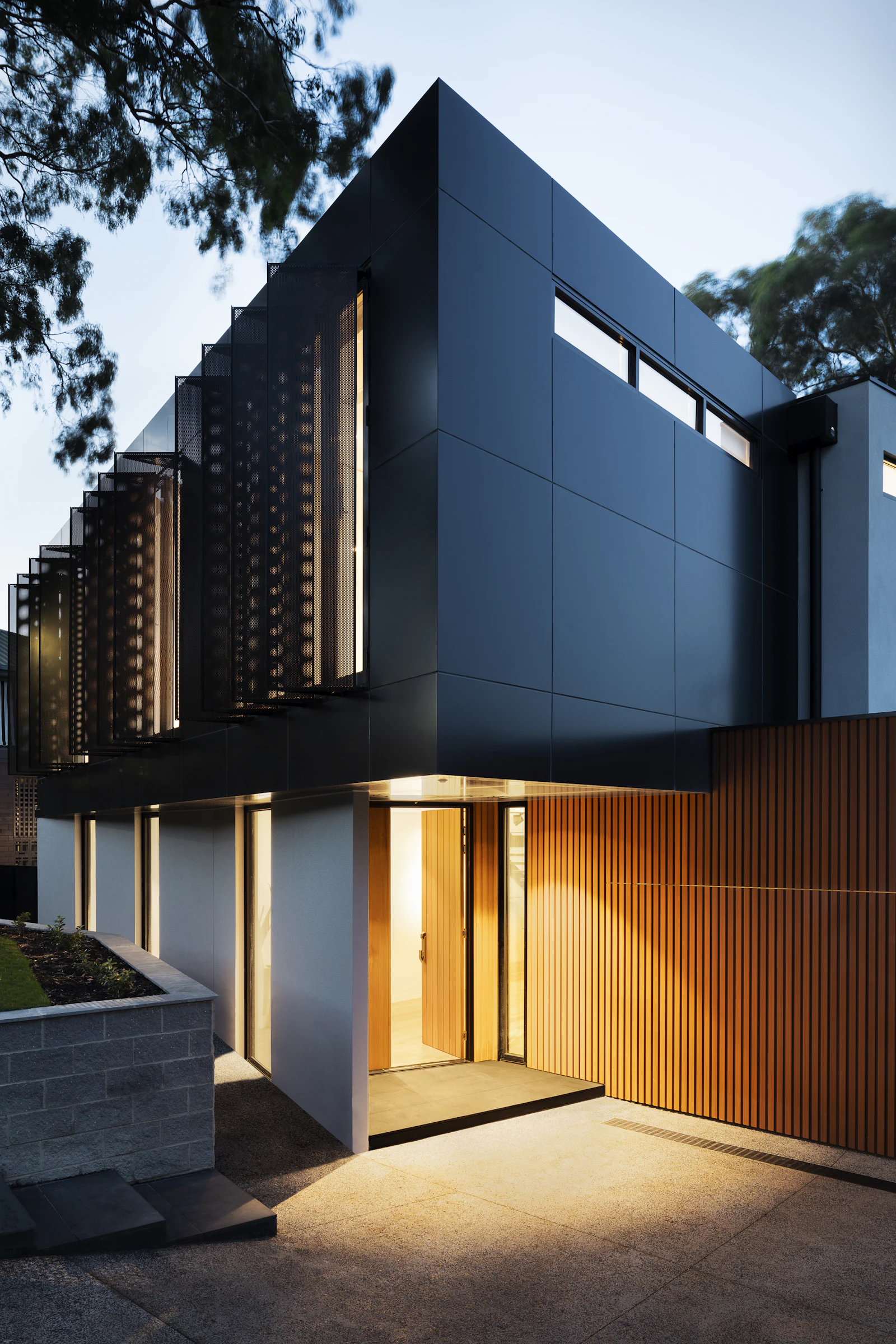
Cladding changes the entire read of a house, and it is one of the few external upgrades that pays back in both street appeal and weather protection. This guide covers what timber and composite cladding cost on the Gold Coast in 2026, which materials handle the salt air, and the installation details that separate a twenty-year facade from a three-year one.
Timber cladding on the Gold Coast costs $180-$420 per square metre supplied and installed in 2026, depending on species and profile. Composite and engineered cladding generally runs $220-$400 per m2. A typical single-wall feature of 25-40m2 lands around $6,000-$15,000, while a full house re-clad usually falls between $35,000 and $110,000 once removal, wrap, flashings and finishing are included.
What you are actually paying for
Cladding pricing confuses people because the board price is only part of it. On a typical Gold Coast job, the boards are 35-50% of the cost. The rest is battens and cavity, breather membrane, flashings, fixings, scaffold or access, removal of the old material, cutting and mitring, and the finishing coats. A quote that only prices the boards is not a cladding quote.
2026 cladding costs on the Gold Coast
| Material | Cost per m2 (AUD) | Notes |
|---|---|---|
| Treated pine / painted weatherboard | $180 - $260 | Lowest cost, needs regular repainting |
| Spotted gum / blackbutt hardwood | $280 - $420 | Durable, premium look, needs oiling |
| Western red cedar | $300 - $450 | Beautiful, lighter, moves less, softer surface |
| Engineered / pre-primed timber board | $220 - $320 | Stable, straight, paint finish |
| Composite cladding | $250 - $400 | Low maintenance, consistent colour |
| Charred / feature timber (shou sugi ban style) | $350 - $550 | Feature walls and entries |
| Scope | Typical cost (AUD) |
|---|---|
| Entry or feature wall, 10-20m2 | $3,000 - $8,000 |
| Single elevation, 25-40m2 | $6,000 - $15,000 |
| Front facade upgrade with feature timber | $12,000 - $30,000 |
| Full house re-clad, single storey | $35,000 - $70,000 |
| Full house re-clad, two storey with scaffold | $60,000 - $110,000+ |
The Gold Coast climate decides what lasts
Salt air, high UV, driving summer rain and humidity are a genuinely hostile combination for external timber. Cladding that performs well inland fails quickly within a few kilometres of the water. Three details separate cladding that lasts twenty years from cladding that looks tired in three:
- A drained and ventilated cavity behind the boards - battens over a breather membrane so anything that gets in can dry out
- Correct fixings - stainless steel in coastal zones, never bright steel or standard galvanised, or you get bleed staining within a season
- Sealed end grain and back-priming before installation - the single most skipped step and the most common cause of early failure
Ask any cladding quote whether it includes a ventilated cavity, stainless fixings and back-priming. If the answer is vague, the price difference you are looking at is not a discount - it is a shortened lifespan.
Timber, composite or engineered board?
Natural hardwood - spotted gum, blackbutt, silvertop ash - gives depth and grain that nothing else replicates, and suits the coastal architecture of Burleigh, Palm Beach and Currumbin. It needs oiling every 1-3 years on exposed elevations, or it silvers off to a grey patina, which some owners want and others do not.
Composite cladding trades grain authenticity for genuinely low maintenance and stable colour, and it is a sensible answer for high, hard-to-access elevations where re-oiling means scaffolding. Engineered pre-primed board is the best value if you want a crisp painted finish - straight, stable and far less prone to cupping than solid pine.
Where cladding needs approvals
Most like-for-like re-cladding is maintenance and does not require approval, but there are exceptions worth checking before you commit:
- Bushfire-prone areas, where BAL ratings restrict permitted materials
- Multi-residential and unit buildings, where combustible cladding rules and body corporate approval apply
- Character or heritage overlays, which apply to a small number of older properties
- Any change to the external appearance where a covenant or estate design guideline applies
- Cladding that forms part of a structural or waterproofing envelope change
Maintenance you should plan for
| Material | Maintenance cycle | Typical cost |
|---|---|---|
| Oiled hardwood | Clean and re-oil every 1-3 years | $15 - $35 per m2 |
| Painted timber | Repaint every 6-10 years | $35 - $60 per m2 |
| Composite | Wash annually | Minimal |
| Natural weathered hardwood | Wash, no coating | Minimal - accepts grey patina |
Common mistakes we get called in to fix
- Boards fixed directly to the frame with no cavity, trapping moisture behind the cladding
- Non-stainless fixings near the coast, leaving rust bleed down the face within twelve months
- Unsealed cut ends, where water wicks straight into the board and the finish lifts
- Missing or poorly detailed flashings at windows, corners and the bottom edge
- Boards installed too close to the ground, allowing splash-back and termite access
- Cheap pine specified on a beachfront elevation because it looked good in the quote
How we quote cladding
Orange Projects inspects the elevation, checks what is behind the existing surface, confirms fixing and flashing requirements and provides an itemised fixed-price quote covering removal, membrane, battens, boards, fixings, flashings and finish. We are QBCC licensed (No. 15620733) and work across the Gold Coast and Logan. Quotes are free.
Planning a facade upgrade or re-clad? We will assess the elevation and quote a fixed price.
Request a quote