
Not every builder who works on the Gold Coast truly understands it. Salt-laden air, storm-season wind loads, reactive soils near canal estates and a patchwork of council overlays all shape what a renovation should actually look like here. This guide explains why genuine local knowledge, not just a licence, is what separates a reliable renovation company from one that learns the hard way on your project.
Local knowledge matters because Gold Coast homes face conditions a generic renovation company may not plan for properly: salt-laden air, high humidity, storm-season wind loads, reactive soils near canals and waterways, and suburb-specific council overlays including flood and coastal hazard zones. A renovation company that works across Burleigh Heads, Palm Beach, Mermaid Waters and Broadbeach Waters daily knows which materials, fixings and approvals each area actually needs, which avoids costly mistakes down the track.
The Gold Coast is not a generic building environment
It is tempting to assume renovation is renovation wherever you are in Australia, but the Gold Coast's coastal climate, canal estates, elevated Queenslander homes and mix of council overlays make it a distinct building environment. A renovation company with genuine local experience understands these factors before a single quote is written, not after a problem shows up in year two.
Salt air and humidity change material choices
Homes within a few kilometres of the coast, think Burleigh Heads, Palm Beach, Broadbeach Waters and parts of Southport, face accelerated corrosion on untreated fixings, hinges and external fittings. A renovation company unfamiliar with coastal conditions might specify standard galvanised fixings that start rusting within eighteen months. Local best practice is marine-grade stainless steel fixings, powder-coated aluminium window and door hardware, and paint systems rated for high UV and salt exposure.
Humidity is the other constant. Bathrooms, laundries and enclosed decks on the Gold Coast need better ventilation and vapour management than an equivalent renovation inland, because moisture simply does not dissipate as quickly in our climate. This affects everything from exhaust fan sizing to the timber species chosen for external decking.
Wind ratings and storm season building requirements
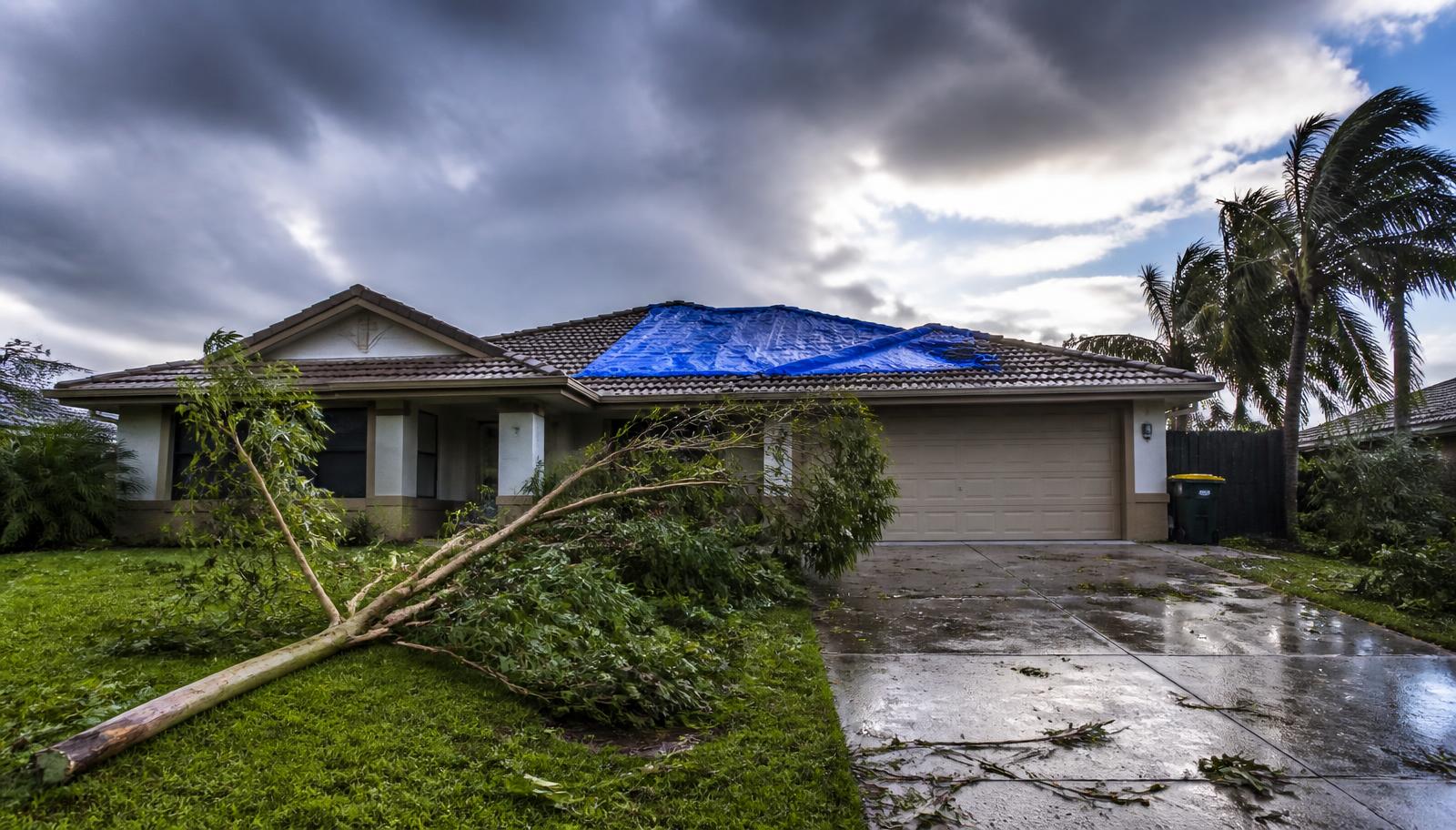
Queensland's cyclone and storm-tightened construction requirements mean Gold Coast homes, particularly those closer to the coast, are often built or required to be renovated to higher wind classifications under AS 4055. Roof alterations, pergola and deck additions, and window replacements all need to meet the correct wind rating for the specific site, which varies by proximity to the coast and local topography.
A renovation company that regularly works in Palm Beach or Mermaid Waters will already know which wind classification a given street typically falls under and will design and fix structures accordingly, rather than discovering a compliance issue when the certifier reviews the plans.
If you are adding a deck, pergola or roof alteration anywhere within a few kilometres of the coast, ask your renovation company to confirm the wind classification for your specific address before finalising the design, not after.
Soil, canals and reactive ground conditions
Many Gold Coast suburbs, including Broadbeach Waters, Paradise Point, Hope Island and parts of Ashmore, sit on canal estates or reclaimed land with reactive or sandy soils. This affects footing design for extensions, slab work and even deck posts. A renovation company without local soil knowledge may under-specify footings, leading to cracking or movement within a few years. Local builders typically arrange a soil test as standard practice for any extension or structural addition in these areas, rather than treating it as an optional extra.
Council overlays: flood, coastal hazard and heritage
City of Gold Coast planning scheme applies different overlays across the region, and they change what you can build and how. Flood overlays affect parts of Carrara, Coomera, Helensvale and low-lying sections near the Nerang and Coomera rivers, sometimes requiring habitable floor levels to sit above a defined flood planning level. Coastal hazard overlays apply to beachfront and near-beachfront properties in Palm Beach, Burleigh Heads and Broadbeach, restricting certain works within erosion-prone setback zones.
- Flood overlay areas may require raised floor levels or flood-resilient materials below a defined height
- Coastal hazard overlays can restrict extensions towards the beachfront or require engineering sign-off
- Older Queenslander homes in Southport and Mudgeeraba often carry character or heritage overlay considerations
- Bushland or steep-slope overlays apply in parts of Mudgeeraba and Tallai, affecting stormwater and retaining wall design
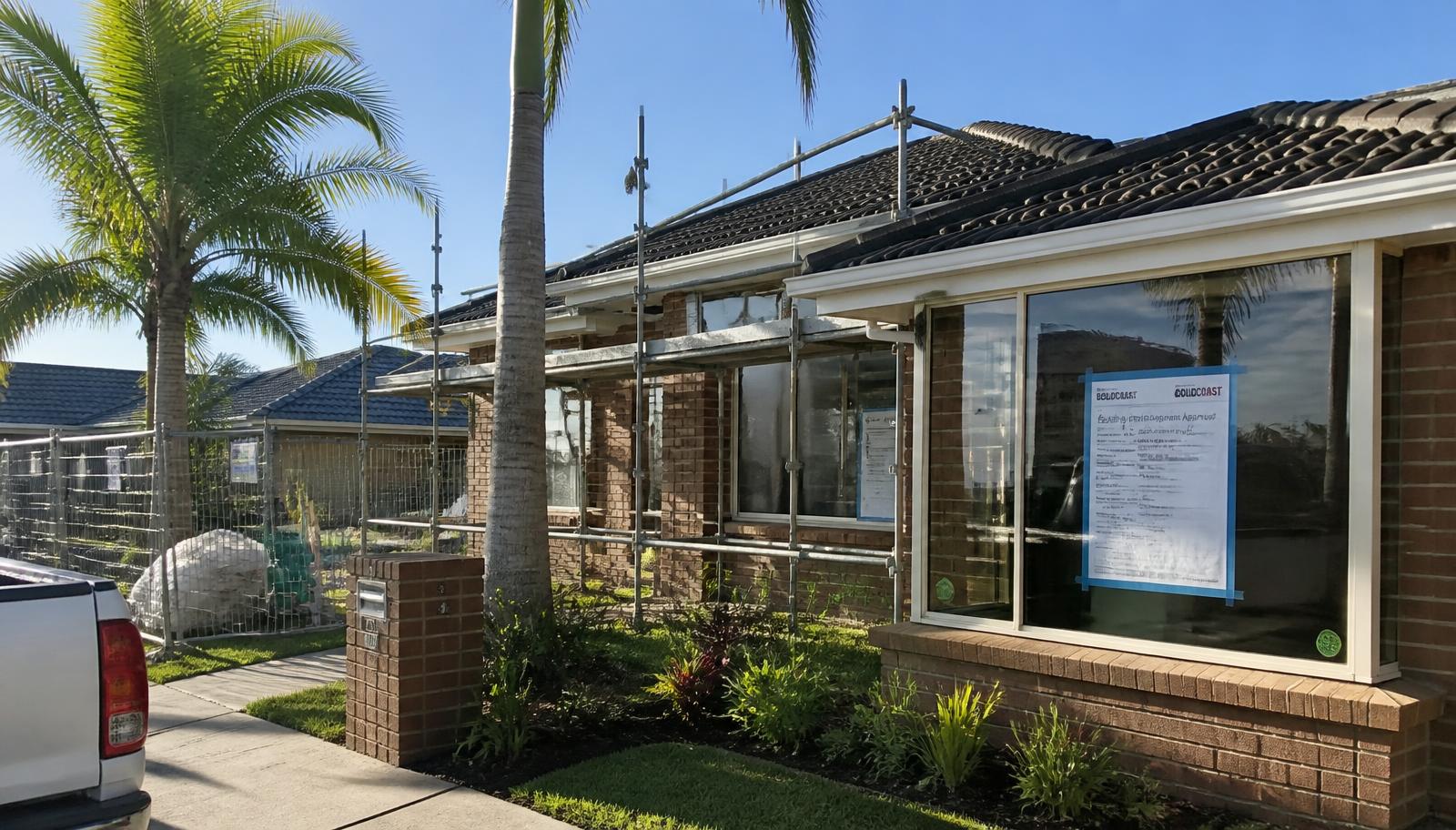
A renovation company that lodges applications with City of Gold Coast regularly knows which overlays apply to which streets and builds the approval pathway into the project timeline from the first site visit, which avoids the surprise delays that catch out builders unfamiliar with the local scheme.
Coastal detailing that actually lasts
Beyond compliance, local knowledge shows up in the small detailing choices that determine how well a renovation ages. Composite decking with UV-stable colours suited to harsh coastal sun, external door hardware rated for salt exposure, correct flashing details around windows to manage wind-driven rain, and render systems designed for coastal humidity are all choices a genuinely local renovation company gets right by default because they have seen what fails.
| Element | Standard inland spec | Coastal Gold Coast spec |
|---|---|---|
| External fixings and hardware | $400-$900 | $800-$1,800 (marine-grade) |
| Deck timber/composite per 20m² | $5,000-$8,000 | $6,500-$11,000 (UV/salt rated) |
| Exterior paint system | $3,000-$6,000 | $4,000-$7,500 (marine-grade coating) |
Questions that reveal genuine local knowledge
- Can you tell me which wind classification applies to my street?
- Have you worked on homes in this specific suburb before?
- Do you know if this address sits within a flood or coastal hazard overlay?
- What fixings and materials do you specify for coastal exposure?
- How do you handle soil conditions for extensions in canal estate areas?
Why this matters when choosing a renovation company
Any licensed builder can technically take on a Gold Coast renovation, but a genuinely local, trusted renovation company brings knowledge that protects you from expensive surprises: the wrong fixings corroding early, footings that move in reactive soil, or a council overlay discovered mid-approval. Orange Projects has worked across Robina, Varsity Lakes, Coomera, Ashmore and the full spread of coastal and hinterland suburbs, and that groundwork shapes every quote and design decision we make.
Renovating a Gold Coast home and want a team that already knows your suburb's conditions and council requirements?
Request a quote