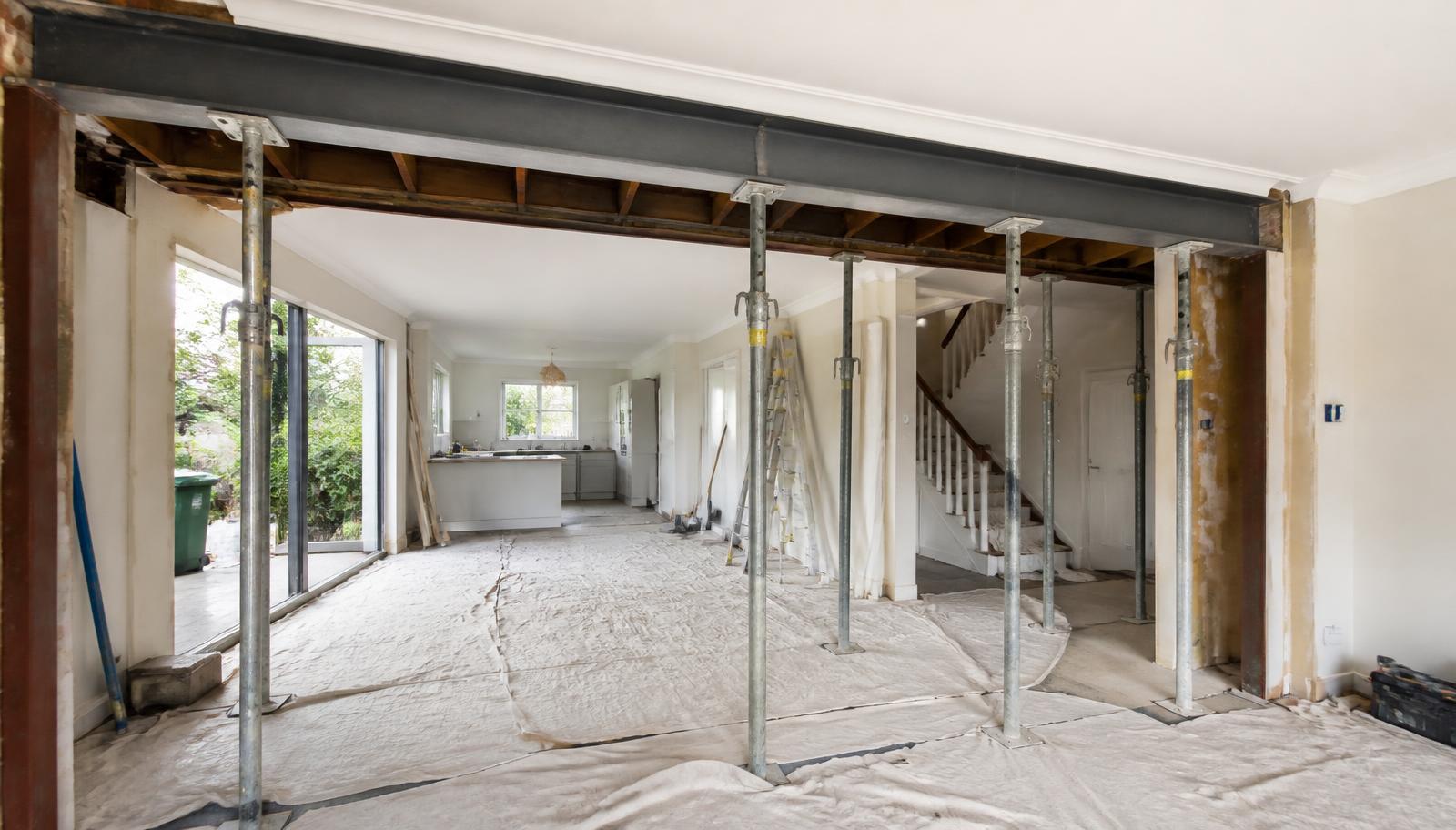
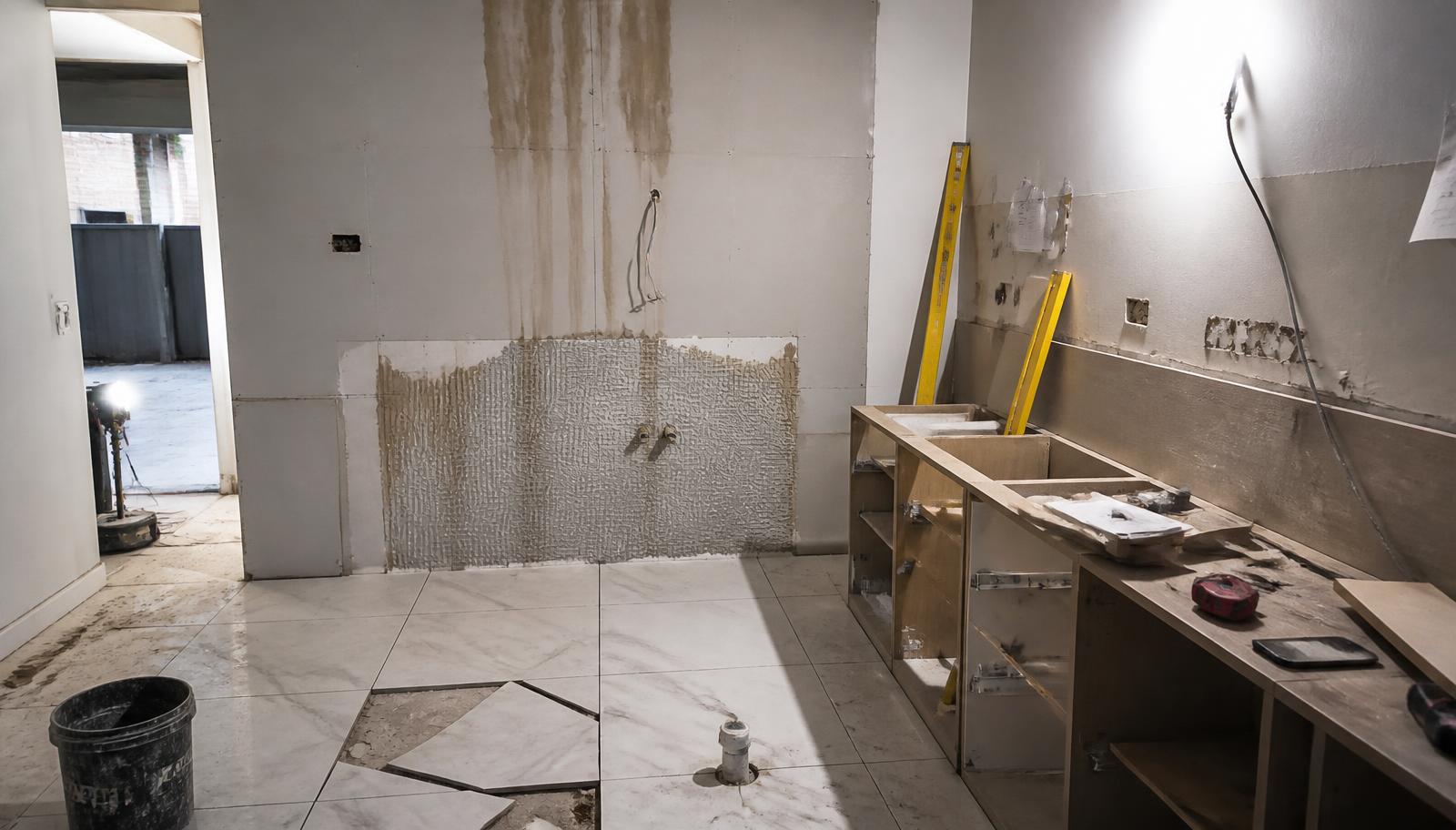
Every year, homeowners across the Gold Coast and Logan lose thousands of dollars on renovations not because of a design decision, but because of a contract clause, a skipped inspection, or a payment made at the wrong time. This guide breaks down the specific financial mistakes that cost the most, what they typically cost, and exactly how to prevent each one before and during your build.
The costliest renovation mistakes are contractual and procedural, not aesthetic: vague scope with open provisional sums, skipped inspections, late-ordered finishes, DIY trade work, and no contingency. Each can add $5,000-$40,000+ to a project. Prevention is a fixed-price contract, a pre-purchase or pre-build inspection, a written variation process, and a 10-15% contingency held aside from day one.
Why renovation budgets blow out in South East Queensland
Most cost blowouts we see across the Gold Coast and Logan don't come from clients changing their minds about a tapware finish. They come from decisions made — or not made — before a single wall is opened up. A vague scope of works, an assumption that an old subfloor is sound, or a deposit paid too early on the promise of a good price all quietly transfer risk from the builder to the homeowner. By the time the problem surfaces, usually mid-demolition, there's no leverage left to negotiate and the homeowner is paying whatever it costs to keep the project moving.
This guide walks through the specific financial mistakes we see most often in homes from Helensvale and Coomera through to Robina, Burleigh Heads, Nerang, Carrara and and north into Logan. Every mistake below is quantified with a realistic cost impact for 2026 and a concrete way to prevent it. None of these figures replace a written, site-specific quote — they're indicative ranges to help you budget and to sense-check quotes you receive.
The 15 mistakes that cost the most, and what they actually cost
| Mistake | Typical cost impact | How to prevent it |
|---|---|---|
| Vague scope with open-ended provisional sums | $3,000-$25,000 in disputed variations | Insist on a fixed-price contract with allowances itemised and capped, not open provisional sums |
| No demolition or asbestos survey on a pre-1990 home | $2,500-$15,000 for testing, removal and re-scheduling | Commission an asbestos and hazardous materials report before signing a contract |
| Skipping a structural or building-and-pest inspection before buying a renovator | $10,000-$80,000 in unbudgeted structural or termite repair | Always get an independent pre-purchase inspection, even on homes you plan to gut |
| Unapproved past works discovered mid-project | $4,000-$20,000 to bring work up to current code | Request council building records and a title search before renovating; budget a contingency line specifically for this |
| Ordering finishes and fixtures late | $1,500-$6,000 in trade stand-down and re-mobilisation fees | Finalise tiles, tapware, cabinetry and appliances before the build starts, not during it |
| Changing your mind after cabinetry or joinery is manufactured | $800-$5,000 per variation plus lead-time delay | Sign off shop drawings and finish schedules in writing before fabrication begins |
| Paying a large deposit or paying ahead of completed work | Full deposit at risk if the builder becomes insolvent | Under Queensland law, deposits are capped and progress payments must match completed work — never pay ahead |
| Waterproofing and drainage shortcuts to save money | $8,000-$30,000 in later leak and rectification repair | Only use AS 3740 compliant waterproofing with a signed compliance certificate before tiling |
| DIY electrical or plumbing work | Voided insurance claim plus full cost of compliant re-work | All electrical and plumbing work must be completed by a licensed trade with compliance certificates issued |
| Ignoring termite management and subfloor ventilation | $5,000-$25,000 in structural timber replacement | Install or renew termite management systems and subfloor vents, especially in older Nerang and Carrara homes |
| Specifying unsuitable products for coastal salt exposure | $3,000-$12,000 in premature corrosion and refinishing | Use marine-grade fixings and coastal-rated finishes within a few kilometres of the coast at Palm Beach and Burleigh Heads |
| Over-capitalising above the suburb ceiling | The gap between spend and resale value, often $20,000-$60,000 | Get a local appraisal of comparable sales before finalising scope in growth suburbs like Pimpama and Springfield |
| Poor trade sequencing | $1,000-$4,000 in redone finishes and wasted labour | Follow the correct build order: structure, waterproofing inspection, tiling, then flooring, then painting |
| No contingency held aside | Underfunded project, forced compromises or finance shortfall | Hold 10-15% of total project cost in reserve, untouched, from day one |
| Choosing the cheapest quote without checking scope parity | $5,000-$30,000 in mid-project cost-catch-up | Compare quotes line-by-line for identical inclusions, not just the bottom-line figure |
Mistake 1: Signing a contract with vague scope and open provisional sums
A provisional sum is an estimated allowance for an item that can't be priced exactly before work starts, such as an unknown amount of termite damage behind a wall. Used properly, provisional sums are a normal and honest part of a fixed-price contract. Used carelessly, they become a mechanism for a builder to win a job on a low headline price and then recover margin through inflated allowances once you're committed. We regularly see homeowners in Southport and Ashmore sign contracts where cabinetry, tiling, electrical fit-off and even the deck itself are all listed as provisional sums with no cap and no itemised specification attached.
For every provisional sum in your contract, ask: what exactly is included, what is the maximum this can rise to, and what happens if the actual cost is lower? A properly drafted allowance should have a stated cap and should refund you the difference if it comes in under budget.
Mistake 2: Underestimating demolition and asbestos risk in older homes
Any Queensland home built before 1990 should be assumed to contain asbestos-containing materials somewhere — commonly in eaves linings, old wet-area sheeting, flue pipes and some fibro cladding. If asbestos is discovered once demolition has already started, work typically stops immediately while a licensed removalist is engaged, air monitoring is arranged, and the material is disposed of at a licensed facility. That unplanned stoppage alone can cost several thousand dollars in delay, on top of the removal itself. Homes in older pockets of Southport, Labrador and Logan are particularly likely to carry this risk.
The safeworkqld and Queensland Government guidance is clear that renovators have a duty to identify asbestos risk before disturbing materials in homes of this age. A pre-demolition hazardous materials survey, typically a few hundred to a couple of thousand dollars depending on the size of the home, is inexpensive insurance against a project-halting discovery mid-build.
Mistake 3: Skipping a structural or building-and-pest inspection before buying a renovator
If you're purchasing a property specifically to renovate, an independent building and pest inspection is not optional, even if you already plan to open up walls. Buyers sometimes assume that because they'll be doing structural work anyway, an inspection is redundant. In practice, an inspection tells you the scale of what you're taking on before you're contractually bound to buy — the difference between a cosmetic renovation and a $40,000 structural rebuild of a termite-damaged subfloor.
| Inspection | Typical cost | What it can save you from |
|---|---|---|
| Building and pest inspection | $400-$800 | Termite damage, subsidence, roof and subfloor defects |
| Asbestos and hazardous materials survey | $300-$1,800 | Unplanned demolition stoppage and disposal costs |
| Structural engineer's report (for load-bearing changes) | $600-$2,000 | Unsafe or non-compliant structural alterations |
| Pre-purchase title and building records search | $50-$300 | Unapproved past extensions or non-compliant work |
Mistake 4: Unapproved past works discovered mid-project
It's common in established Gold Coast suburbs like Mudgeeraba, Varsity Lakes and Carrara for a previous owner to have enclosed a carport, added a deck or converted a garage without council approval. When your renovation touches that area, the certifier may require the unapproved work to be brought up to current code before a certificate can be issued for your new work — sometimes at your cost, since you now own the property. Requesting the council's building record search and a copy of any approved plans before you renovate gives you the chance to budget for rectification, or negotiate the purchase price down if you're still buying.
Mistake 5: Ordering finishes and fixtures too late
Tiles, tapware, cabinetry, doors and appliances all have lead times, and some run 6-14 weeks depending on the supplier and whether the item is imported. When a homeowner hasn't finalised these selections by the time the relevant trade is booked, one of two costly things happens: the trade sits idle waiting (and you're billed a stand-down or re-mobilisation fee), or the trade moves on to another job and you wait weeks for them to come back, pushing out every trade booked after them. On a mid-size renovation this kind of delay commonly costs $1,500-$6,000 in extra labour costs and lost time.
Finalise every tile, tapware, cabinetry finish, door hardware and appliance model before your contract is signed, not once the build is underway. This also lets your builder price the job accurately instead of relying on allowances.
Mistake 6: Changing your mind after cabinetry or joinery has been manufactured
Custom cabinetry is manufactured to shop drawings that you approve in writing before fabrication starts. A change requested after cutting has begun isn't a quick fix — it's rework, and it's priced as a variation, typically $800-$5,000 depending on the scale of the change, plus a fresh lead time of several weeks. Review shop drawings carefully, check dimensions against your actual appliances (not the display model), and confirm door swing and drawer clearances before you sign off.
Mistake 7: Paying a large deposit or paying ahead of the works
Queensland's Domestic Building Contracts Act sets limits on deposits for residential building contracts, and progress payments should always correspond to work that has actually been completed and, where relevant, inspected. Paying a builder ahead of the work done — a bigger deposit than the law allows, or a progress claim that outpaces the visible work on site — leaves you financially exposed if the builder runs into cash flow trouble or becomes insolvent. Review the QBCC's guidance on payment schedules and never agree to a payment structure that's front-loaded.
Not sure whether your contract or payment schedule is fair? Get a fixed-price quote from a QBCC-licensed team and we'll walk you through the scope, allowances and payment stages in plain English.
Get a fixed-price quoteMistake 8: Waterproofing and drainage shortcuts
Waterproofing failures are one of the most expensive categories of rectification work in Queensland renovations, because the damage is hidden until it's severe — rotted framing, mould, and damaged flooring below the leak. Waterproofing in wet areas must comply with AS 3740 and should be signed off by a compliance certificate before tiling begins. Cutting corners here to save a few hundred dollars on membrane or skipping the inspection can cost $8,000-$30,000 to rectify once the damage has spread into structural timber.
Mistake 9: DIY electrical and plumbing work
Electrical and plumbing work in Queensland must be carried out by a licensed practitioner, full stop. Beyond the safety risk, unlicensed work has serious financial consequences: it can void your home and contents insurance entirely, it will fail any building certification, and if you sell the property it can become a disclosure liability. If a DIY electrical fault causes a house fire, most insurers will decline the claim outright. The cost of a licensed electrician or plumber is a fraction of the cost of an uninsured loss.
Mistake 10: Ignoring termite management and subfloor ventilation
South East Queensland's climate is highly conducive to termite activity, and older homes in Nerang, Carrara, Logan and similar established suburbs often have ageing or absent termite management systems and poorly ventilated subfloors. A renovation is the ideal time to inspect and renew these systems, because the cost of a chemical or physical termite barrier is minor compared to structural timber replacement, which can run $5,000-$25,000 depending on the extent of the damage found.
Mistake 11: Specifying products unsuited to coastal salt exposure
Homes within a few kilometres of the coast, including Palm Beach, Burleigh Heads and Broadbeach, are exposed to salt-laden air that accelerates corrosion in standard-grade fixings, hinges and external hardware. Using non-marine-grade fasteners or the wrong external cladding finish in these locations often means premature rust staining, hinge failure or coating breakdown within a couple of years — an avoidable $3,000-$12,000 replacement cost. Always ask your builder to specify coastal or marine-grade fixings for any home within the salt-affected zone as defined by AS 4312.
Mistake 12: Over-capitalising above the suburb ceiling
Over-capitalising means spending more on a renovation than the local market will return in resale value. In growth corridors like Pimpama, Coomera and Springfield, where median values are still establishing, an extremely high-end kitchen or bathroom fit-out can outstrip what comparable sales in the suburb will support. This isn't a reason to avoid a great renovation if you're staying long-term, but if resale within five years is a possibility, get a local appraisal of comparable sales before finalising your scope and finish level.
Mistake 13: Poor trade sequencing
Renovations have a correct build order for good reason: structural and rough-in work first, then a waterproofing inspection in wet areas, then tiling, then flooring, then painting and final fit-off. Getting this sequence wrong — laying timber flooring before painting is finished, for example — routinely means protecting or redoing finished surfaces, adding $1,000-$4,000 in wasted labour and materials. A detailed program from your builder, reviewed before the build starts, avoids this.
Mistake 14: No contingency held aside
Even a well-scoped, fixed-price renovation can encounter genuine unknowns once walls are opened — this is why a contingency isn't optional, it's part of the budget. Homeowners who spend their entire available budget on the headline quote have no room to absorb a legitimate, unavoidable variation, and end up either compromising the finished result or scrambling for extra finance mid-project.
| Project size | Suggested contingency | Notes |
|---|---|---|
| Small renovation (bathroom, laundry, deck) under $30,000 | 10% | Lower structural risk, but still budget for hidden waterproofing or subfloor issues |
| Mid-size renovation (kitchen, extension room) $30,000-$100,000 | 12-15% | Higher exposure to unapproved past works and structural surprises |
| Major renovation or full home reno $100,000+ | 15% | Complex sequencing and multiple trades increase variation risk |
| Insurance repair or storm damage rectification | 10-20% | Scope often expands once damaged linings or framing are opened up |
Mistake 15: Choosing the cheapest quote without checking scope parity
The lowest of three quotes is often the lowest because it excludes items the other two include — site costs, waste removal, a compliant waterproofing membrane, or an adequate allowance for tiles. Comparing quotes on the bottom-line number alone, rather than line-by-line against identical inclusions, is one of the most common ways homeowners end up paying more overall once the gaps are discovered mid-build.
Pre-contract checklist: do this before you sign anything
Before you sign a renovation contract
- Get an independent building and pest inspection, even if you're planning structural work
- Commission an asbestos survey if the home was built before 1990
- Request council building records to check for unapproved past works
- Finalise every tile, tapware, cabinetry finish and appliance model before pricing
- Confirm every provisional sum has a stated cap and itemised specification
- Check the deposit amount complies with the Domestic Building Contracts Act limits
- Confirm the payment schedule matches stages of completed, inspected work
- Get a QBCC licence check on your builder and any subcontracted trades
- Set aside a contingency of 10-15% of total project cost, held separately
- Compare quotes line-by-line for identical scope, not just the final figure
During-build cost-control checklist
Keeping costs under control once work starts
- Require any variation to be quoted and approved in writing before work proceeds
- Track spend against your contingency line weekly, not at the end
- Confirm waterproofing compliance certificates before tiling begins
- Sign off shop drawings for cabinetry and joinery before fabrication starts
- Check trade sequencing against your program to avoid redone finishes
- Photograph works before they're covered (framing, waterproofing, plumbing rough-in)
- Keep all compliance certificates (electrical, plumbing, waterproofing) on file
- Confirm final inspection and certification before final payment is released
How to run a variation properly, step by step
- Identify the change needed and describe it in writing, including why it's required (e.g. termite damage found, or a discretionary upgrade).
- Request a written quote for the variation before any additional work begins — never agree verbally.
- Check the quote includes both the cost and any impact on the project timeline.
- Compare the variation cost against your remaining contingency before approving it.
- Sign and date the variation document, and keep a copy for your records.
- Confirm with your builder that the variation has been added to the overall contract sum, not billed separately outside the contract.
- Reconcile all approved variations against the final invoice before making the last payment.
The renovations that go over budget are rarely the ones with the most ambitious design — they're the ones with the least paperwork.
Where these mistakes show up most across Gold Coast and Logan
Every one of these risks is more or less pronounced depending on where your home sits. Coastal-exposure issues concentrate around Palm Beach, Burleigh Heads and Broadbeach. Termite and subfloor risk is more common in established, leafy suburbs such as Nerang, Carrara and older pockets of Logan. Unapproved past works turn up frequently in long-held family homes across Southport, Ashmore and Varsity Lakes. And over-capitalisation risk is most relevant in newer growth corridors like Pimpama, Coomera, Upper Coomera and Springfield, where the local market is still establishing its value ceiling. Understanding which of these risks applies to your specific suburb is a useful first conversation to have with your builder before you scope the job.
Want a realistic, itemised estimate before you commit? Try our AI Renovator tool for an indicative budget range in minutes.
Try the AI Renovator